




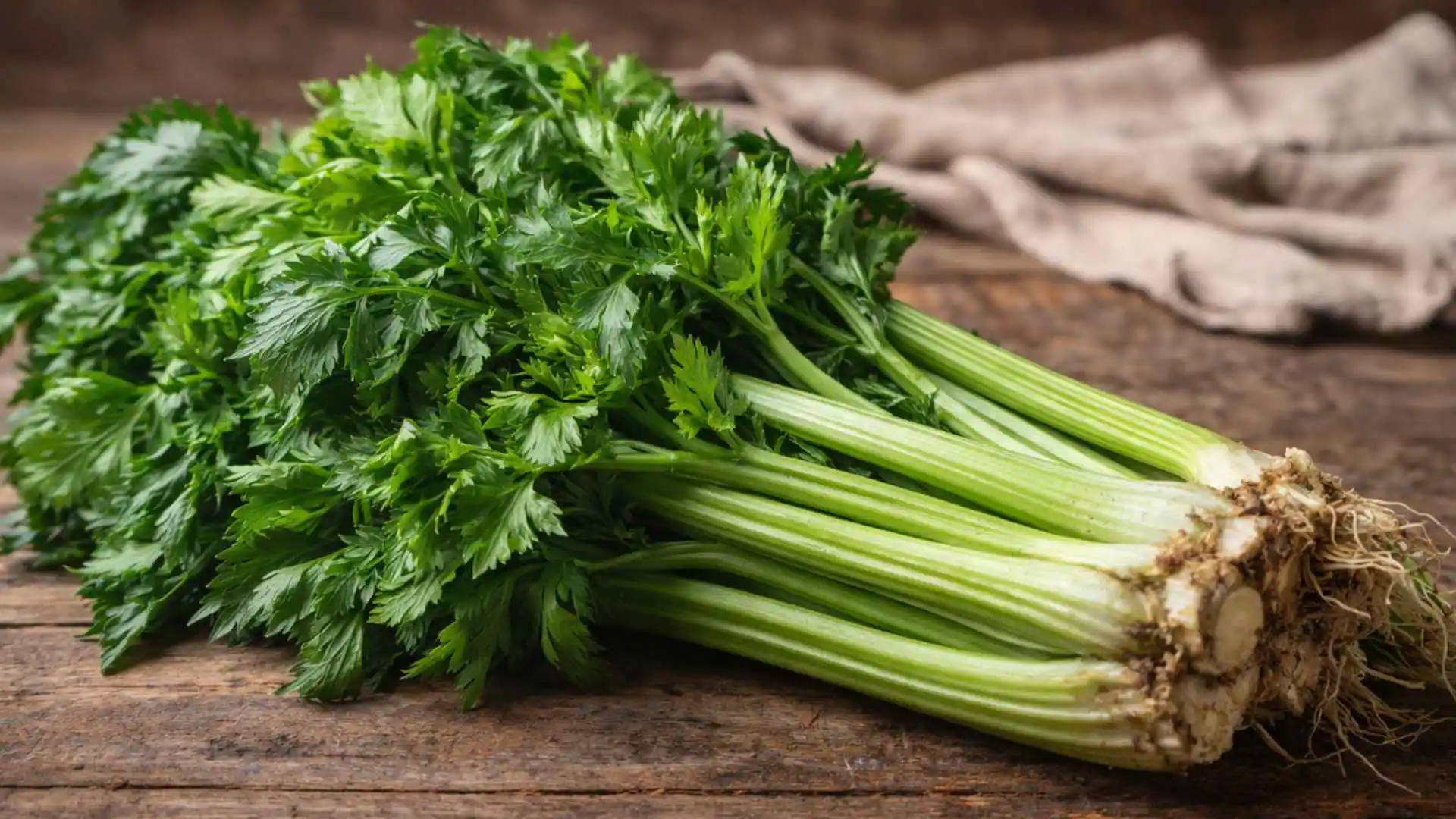
Pravi celer, meaning “real celery,” is more than just a vegetable. It’s a variety of celery that brings forward the true essence of flavor and culinary history. Unlike the usual bland, watery celery found in most grocery stores, pravi celer is celebrated for its bold aroma, vibrant green stalks, and crisp texture. Often referred to as the heirloom celery, it has been passed down through generations, holding onto the strong traditions of Balkan cuisines. This type of celery is ideal for anyone looking to experience authentic celery flavors, steeped in cultural significance and rich in nutritional benefits.
This guide explores everything you need to know about pravi celer, from its history and flavor profile to how you can grow it and integrate it into your cooking.
What Is Pravi Celer? Exploring Its Unique Characteristics
Pravi celer is a traditional variety of celery that differs from the common supermarket celery in several ways. It’s known for its robust flavor, strong aroma, and crisp, hearty stalks. This celery variety typically features darker green stalks, and the leaves are more aromatic and flavorful compared to the typical celery found in the produce section. The primary difference lies in its taste: pravi celer offers a full-bodied, peppery flavor that holds up well even in long cooking processes.
Distinctive Flavor Profile
The defining feature of pravi celer is its intense flavor. When compared to regular celery, which can often be watery and bland, pravi celer delivers a strong, herbal taste that stands out in any dish. Whether used in raw dishes, like salads, or cooked in soups and stews, it imparts a layer of depth and richness that is missing from its supermarket counterpart. The aromatic leaves of pravi celer make it an excellent herb-like addition to many dishes, often used in place of parsley or thyme.
A Connection to Culinary Tradition
For generations, pravi celer has been grown in family gardens across Eastern Europe and the Balkans, where it holds significant cultural value. It is often used in traditional Balkan cooking, such as in soups, stews, and stock. This makes pravi celer more than just an ingredient; it is a link to past culinary traditions, bringing the true flavors of the old world into the modern kitchen.
Practical Uses in Cooking
In addition to its strong flavor, pravi celer also offers versatility in the kitchen. It can be used raw in salads for a crisp texture and herbaceous taste or cooked in broths, soups, and stews, where its robust flavor infuses into the dish. The leaves are perfect for making herbal stocks or as a garnish, while the stalks are ideal for sautéing or roasting.
Nutritional Benefits of Pravi Celer: More Than Just a Flavor Enhancer
While pravi celer is known for its intense flavor and aromatic qualities, it also provides numerous health benefits that make it a nutritious addition to any diet. Packed with essential vitamins, minerals, and antioxidants, this vegetable is not only delicious but also a superfood for your body.
Rich in Vitamins and Minerals
Pravi celer is an excellent source of essential vitamins and minerals, including vitamins A, C, and K, as well as potassium, folate, and fiber. These nutrients are vital for maintaining healthy bones, supporting the immune system, and improving skin health. Vitamin K in celery plays a critical role in blood clotting and bone health, while vitamin C helps in immune defense and skin regeneration. Additionally, potassium helps in maintaining healthy blood pressure, making pravi celer an excellent choice for promoting heart health.
Antioxidants: Fighting Inflammation and Oxidative Stress
One of the standout features of pravi celer is its high antioxidant content. The flavonoids and polyphenols found in pravi celer help to neutralize free radicals, which are harmful molecules that can cause oxidative stress and lead to chronic conditions like heart disease, cancer, and diabetes. These antioxidants also have anti-inflammatory properties, helping to reduce joint pain and the risk of chronic inflammation.
Digestive Health: High in Fiber
Another key health benefit of pravi celer is its high fiber content. Celery is a great source of both soluble and insoluble fiber, which are crucial for maintaining digestive health. Fiber helps promote regular bowel movements, prevents constipation, and supports the growth of healthy gut bacteria. A healthy digestive system also contributes to better nutrient absorption, immunity, and overall well-being.
How to Grow Pravi Celer: A Detailed Step-by-Step Guide
Growing pravi celer at home is a rewarding but patient process. This vegetable requires specific growing conditions, including moisture, consistent temperature, and rich soil. Below is a step-by-step guide on how to successfully grow pravi celer in your garden, ensuring the best harvest.
Select High-Quality Heirloom Seeds
Start by selecting high-quality heirloom seeds from trusted sources, ensuring that the pravi celer you grow retains its authentic flavor. You can find these seeds at local farmer’s markets, specialty garden centers, or reputable online retailers specializing in heirloom vegetables.
Start Seeds Indoors for Optimal Growth
Since celery requires a long growing season, it’s important to start seeds indoors around 8–10 weeks before your region’s last frost date. Plant the seeds shallowly on the surface of the soil, as celery requires light to germinate. Keep the soil moist and maintain a temperature of 65°F to 70°F (18°C to 21°C). It can take up to 3 weeks for the seeds to germinate, so be patient and ensure the soil remains consistently moist.
Transplanting and Spacing for Proper Growth
Once the seedlings have 4–5 true leaves, it’s time to harden them off by gradually exposing them to outdoor conditions. After the frost risk has passed and temperatures stabilize, transplant the seedlings into the garden. Space the plants 25–30 cm apart to ensure proper air circulation and avoid overcrowding, which can increase the risk of disease.
Soil Preparation and Fertilization
Pravi celer thrives in rich, loamy soil with a neutral pH (6.0–7.0). Prepare the soil by adding organic matter such as compost or well-rotted manure. Since celery is a heavy feeder, it requires regular fertilization. Use a balanced fertilizer that is high in nitrogen, as this promotes green, healthy growth.
Consistent Watering and Mulching
Celery needs consistent moisture to grow properly. Keep the soil moist, especially during hot weather. Mulching helps retain moisture, keeps the soil cool, and prevents weeds from competing for nutrients. Make sure to water deeply and regularly to avoid drought stress and ensure healthy stalks.
Blanching
If you prefer paler, milder stalks, you can blanch celery by wrapping the stems in cardboard or cloth 2–3 weeks before harvest. This technique reduces the bitterness and makes the celery softer and creamier in color. However, if you prefer the full flavor of celery, you can skip this process and let the plant grow naturally.
Harvesting for Optimal Flavor
Harvest pravi celer once the stalks are firm and at least finger-thick. You can harvest the outer stalks first, allowing the inner stalks to continue growing. Celery is typically ready to harvest 100–140 days after planting, depending on your growing conditions.
Common Problems When Growing Pravi Celer and How to Solve Them
While pravi celer is relatively easy to grow, gardeners often face a few challenges. Below are some common issues you might encounter, along with solutions to ensure a successful harvest.
Slow Germination
Celery seeds can be slow to germinate, taking up to 3 weeks. If you don’t see immediate results, don’t worry. Ensure the seeds receive adequate light and the soil remains consistently moist. The temperature should be around 65°F–70°F to promote healthy germination.
Pest Problems
Aphids, slugs, and leaf miners are common pests that can damage celery plants. To control pests, use row covers or natural pest control methods such as insecticidal soap. Crop rotation is also an effective strategy for preventing pest buildup in the soil.
Yellowing Leaves
If the leaves of pravi celer begin to turn yellow, it could be a sign of nutrient deficiency or overwatering. Make sure to provide balanced fertilizers and avoid waterlogged soil, as excess moisture can lead to root rot.
FAQs About Pravi Celer
What does “pravi celer” mean?
Pravi celer means “real celery” and refers to a traditional celery variety that is more flavorful, aromatic, and robust than the standard supermarket variety.
Can I grow pravi celer at home?
Yes, pravi celer can be successfully grown at home. Start seeds indoors, harden off seedlings, and transplant them when the frost risk has passed. Provide consistent watering and fertilization for the best results.
How is it different from regular celery?
Pravi celer has stronger flavor, darker green stalks, and more aromatic leaves compared to regular celery, which is bred for uniformity and long shelf life.
What does blanching do to celery?
Blanching makes the celery milder, softer, and paler in color. It’s optional, so if you prefer a full-flavored celery, skip this step.
How long does it take for celery to mature?
Pravi celer typically matures in 100–140 days from sowing, depending on environmental conditions.
Conclusion
Pravi celer is much more than just a vegetable; it’s a connection to the past, a culinary tradition, and a nutritious powerhouse that enhances your dishes with its unique flavor and health benefits. Whether you’re growing it in your garden or adding it to your meals, pravi celer brings a taste of the old world to your kitchen, offering a richer, deeper flavor and more health benefits than modern celery. Add pravi celer to your gardening and cooking repertoire, and experience the difference it makes!
Disclaimer
This article is for informational purposes only. Growing results and health benefits may vary based on individual conditions and environment. It is not a substitute for professional gardening or medical advice. Always consult a qualified expert for specific guidance.